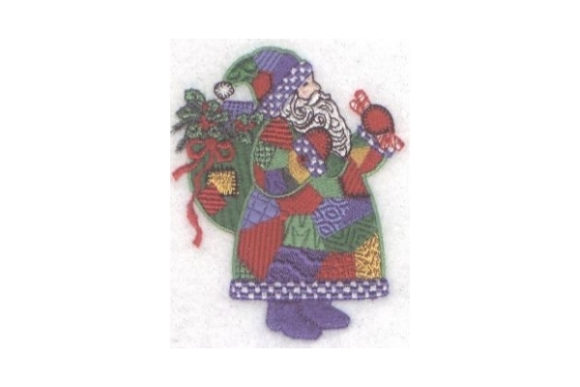
Patchwork Santa: A Festive, Flexible Holiday Embroidery Design
First Impressions: Cozy, Nostalgic, and Instantly Recognizable
As an embroidery designer who’s curated seasonal collections for over a decade, my first glance at Patchwork Santa delivers exactly what holiday shoppers respond to: warmth, charm, and quiet storytelling. It’s not flashy or overly modern—it leans into nostalgic charm with soft curves, layered fabric-like textures, and gentle stitching that suggests handmade care. The design feels cozy rather than cartoonish, festive without being loud, and quietly elegant on natural fibers. That balance is rare—and valuable—when building a Christmas collection that appeals across generations.
Real-World Product Versatility
Patchwork Santa shines where seasonal demand is highest and margins matter most. On sweatshirt embroidery, it anchors family matching sets with visual cohesion and tactile appeal—especially when stitched with matte cotton thread on heavyweight fleece. As a tote bag design, it transforms everyday carry into a gift-ready statement, standing out at craft fairs without competing with busy backgrounds. For kitchen towel embroidery, its balanced proportions and open stitch areas prevent stiffness while holding up beautifully after repeated washing.
It also adapts elegantly to smaller formats: as a pillow cover centerpiece, it reads clearly at 4–5 inches; as an embroidered patch, it layers well over denim jackets or quilted stockings; and on baby onesies or aprons, its rounded features and lack of fine facial detail make it both safe and sweet. Even in printable mockups for Etsy listings, Patchwork Santa translates cleanly—no pixelation, no lost nuance—helping small shop products stand out in crowded holiday feeds.
Where It Builds Trust and Giftability
Holiday buyers don’t just buy designs—they buy emotion, memory, and intention. Patchwork Santa supports that psychology effortlessly. Its hand-stitched aesthetic signals authenticity, reinforcing trust for Etsy sellers and handmade gift makers. When bundled with coordinating items (a mug sleeve, linen napkin, and ornament set), it creates a cohesive seasonal story—not just a collection of products. That consistency strengthens brand recognition and encourages repeat engagement during the critical November–December shopping window.
Customers also recognize value faster with Patchwork Santa: it reads as premium without demanding luxury pricing. Its detail level invites closer inspection—ideal for social media previews where zoomed-in texture shots drive saves and shares. And because it avoids religious specificity while retaining unmistakable Christmas spirit, it broadens appeal across diverse gifting contexts: teacher gifts, office swaps, neighbor tokens, and personalized gift tags.
Smart Usage Boundaries: Where to Pause and Plan
Even strong seasonal embroidery has limits—and knowing them prevents costly reworks. Patchwork Santa performs best at medium hoop sizes (4x4 inches minimum). Avoid shrinking it below 3 inches: the patchwork effect blurs, and stitch density can overwhelm lightweight fabrics like voile or thin cotton poplin. On thick towels or textured weaves, test stabilizer combinations—cutaway plus tear-away often yields crisper edges than tear-away alone.
Dark fabric? Absolutely viable—but confirm thread colors hold contrast. Test matte black thread on navy twill, or ecru on charcoal—avoid metallics unless you’ve verified they won’t snag on brushed surfaces. Stretchy garments (like ribbed knit cuffs or curved cap fronts) require careful hooping and possibly reduced stitch density; always run a test on scrap before committing to finished product runs.
Designer Notes You’ll Want Before Stitching
- Test thread colors on both light and dark fabric—especially for subtle tonal shifts in the “patchwork” sections.
- Check stitch density before scaling: high-density fills may stiffen delicate items like baby bibs or silk-blend table linens.
- Confirm hoop size compatibility with your machine—and verify all included embroidery file formats open cleanly in your editing software.
- Use proper stabilizer based on fabric texture: cutaway for knits, lightweight tear-away for quilting cotton, fusible for lightweight linens.
- Create realistic mockups using actual garment photos—not flat templates—to assess scale and placement accuracy.
- Review small details post-stitch: check seam allowances on pillow covers, edge clarity on embroidered patches, and thread tension on curved appliqué lines.
- Plan matching color palettes across your full holiday line—Patchwork Santa pairs naturally with cream, forest green, brick red, and oatmeal, making coordinated bundles intuitive.
- Confirm commercial licensing before selling finished seasonal products—this is essential for Etsy sellers, apparel decorators, and small business owners running holiday drops.
Why Patchwork Santa Fits Right Into Your Seasonal Strategy
This isn’t just another holiday embroidery—it’s a versatile anchor for your entire Christmas collection. Whether you’re launching limited edition apparel, building a curated gift box, or refreshing home decor for holiday markets, Patchwork Santa delivers emotional resonance, production reliability, and visual flexibility. It works as a standalone hero design or blends seamlessly into larger themes—think rustic farmhouse, modern minimal, or vintage cottagecore.
For digital embroidery file buyers, it’s a low-risk, high-return addition: compatible across machines, easy to preview in mockups, and proven to convert in real holiday selling situations—from Instagram Reels showing stitch progress to Etsy listings with warm, handwritten-style descriptions. And for crafters who stitch their own inventory? Its balanced complexity rewards attention without exhausting stamina—making it ideal for batch production during peak season.
In short: Patchwork Santa earns its place in your seasonal embroidery lineup by doing more than looking festive. It helps you sell smarter, stitch more confidently, and deliver handmade gifts that feel intentional, joyful, and truly memorable.