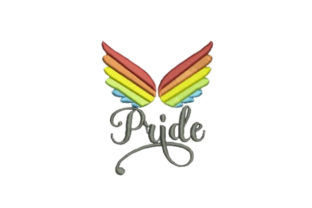
Pride Embroidery Design Review
First Impressions of the Pride Embroidery Design
The Pride embroidery design immediately presents a sense of friendliness and open-mindedness, making it ideal for small businesses that value individuality and inclusivity. The description suggests a focus on self-expression, which aligns well with brands aiming to foster a welcoming environment for customers and employees alike. This design feels modern yet approachable, offering a balance between premium quality and playful charm.
As an experienced embroidery designer, I find that the visual appeal of Pride is strong enough to serve as a brand identity element without being overwhelming. It has the potential to be used across a variety of small business merch applications while maintaining a consistent look and feel.
Real Business Use of Pride in Merchandise and Patches
Pride can work exceptionally well as an embroidered patch or as a chest logo accent on staff uniforms. Its friendly and open nature makes it suitable for apron embroidery, cap embroidery, and even tote bag design. For example, a local café or boutique could use this design as a subtle but meaningful addition to their branded merchandise, reinforcing a sense of community and acceptance.
In custom apparel projects, Pride could be stitched onto work shirts or event merch to create a cohesive brand identity. When paired with handmade product lines, it adds a layer of personality that resonates with buyers looking for unique, expressive items.
This design also fits well within craft business assets such as printable mockups or digital embroidery files, allowing for easy customization and integration into various commercial embroidery projects. Whether used on product packaging accents or customer gifts, Pride offers a versatile and emotionally engaging presence.
Where to Use Pride with Caution
While Pride is visually appealing, there are certain applications where its effectiveness may be limited. Small patch sizes, for instance, may not do justice to the intricate details of the design. It’s important to test how the stitch density and thread colors translate at smaller scales before finalizing production.
On curved surfaces like cap fronts or items requiring frequent washing, the design may lose some of its clarity over time. Additionally, using Pride on dark-colored fabrics or textured materials may require careful selection of thread color contrast and appropriate stabilizer to ensure the finished product maintains its intended appearance.
Designers should also consider hoop size and spacing when preparing the embroidery file, ensuring that the final finished product looks clean and professional regardless of the application.
Impact on Brand Identity and Customer Engagement
The Pride design has the potential to significantly enhance a brand’s identity by reinforcing values such as inclusivity, authenticity, and personal expression. When used consistently across small business merch, custom apparel, and product packaging accents, it can increase customer trust and recognition.
For Etsy sellers or handmade brands, incorporating Pride into their design assets can help differentiate their products from competitors, especially in markets that prioritize individuality and emotional connection. The visual consistency offered by this design ensures that all branded merchandise remains cohesive and professionally presented.
Moreover, Pride can serve as a subtle yet powerful way to engage buyers, particularly those who resonate with the message of self-acceptance and open-mindedness. This emotional appeal can lead to increased buyer engagement and stronger customer loyalty.
Practical Embroidery Designer Notes
Before using Pride in any commercial project, it’s essential to conduct a few key tests. Begin by reviewing the machine embroidery design in black and white to assess how the outlines and spacing will appear on different fabrics. Check if the design works effectively at small patch sizes, as this will determine its suitability for embroidered patches or cap embroidery.
Ensure that the thread colors provide sufficient contrast against the fabric being used, especially on dark-colored garments. Test the design on real fabric using the appropriate stabilizer to prevent distortion and maintain the integrity of the finished product.
Create a printable mockup for client approval and compare it alongside other design assets to ensure visual consistency. Finally, always confirm the commercial licensing terms before proceeding with any commercial embroidery project to avoid legal complications.
By following these steps, designers can confidently incorporate Pride into a wide range of small business merch and custom apparel projects, ensuring both aesthetic appeal and functional performance.