Red Steampunk Era Embroidery Review
First Impression: Bold, Intricate, and Instantly Recognizable
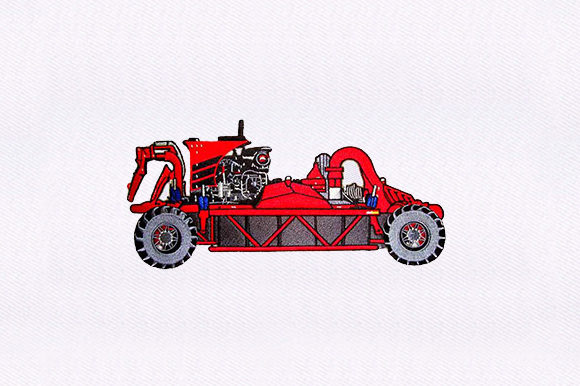
As an embroidery designer who’s prepped over 200 craft fair booths in the past decade, my gut reaction to Red Steampunk Era is immediate: this isn’t background filler—it’s a statement. The title alone cues boldness, vintage futurism, and rich visual texture. Even without seeing the file, “Red Steampunk Era” signals high contrast, mechanical motifs (gears, rivets, clockwork), and confident graphic presence. It leans into drama—not cute, not rustic, not minimalist—but theatrical, wearable art. That’s gold for handmade markets where customers scan tables in under three seconds.
Where Red Steampunk Era Shines on Craft Fair Products
This machine embroidery design thrives where personality meets utility. On tote bag designs, it anchors the front panel with authority—especially on natural canvas or charcoal twill. Customers pause, point, and say, “What *is* that?” That’s your opening. As apron embroidery, placed just above the pocket or centered on the bib, it adds artisanal swagger without overwhelming function. For tea towel embroidery, position it low on the hem or as a border motif—it reads cleanly against linen’s subtle weave and photographs beautifully for Etsy listings.
Embroidered patches are where Red Steampunk Era becomes pure profit leverage. Stitched onto denim jackets, backpacks, or market aprons, it transforms generic items into collectible, story-driven pieces. On caps, it works best on structured fronts (not curved crowns)—test placement carefully. As a small pouch or pillow cover focal point, its detail holds up at 3–4 inches wide, making it ideal for giftable handmade products priced at $28–$48.
Real-World Selling Strengths
- Instant clarity: The name and theme telegraph genre and mood—no explanation needed at your booth. That cuts down on customer hesitation.
- Scale flexibility: Works as a 2.5-inch accent (on a patch or corner of a tea towel) or expanded to 6 inches (centered on a tote or pillow). Avoid stretching beyond 7 inches unless stitch density is verified.
- Photography power: Red thread pops against cream, black, navy, and oat fabrics—ideal for clean printable mockups and scroll-stopping Etsy thumbnails.
- Batch-friendly rhythm: Its balanced composition allows consistent hooping across dozens of items—critical when prepping 30+ tote bags for a weekend fair.
Careful-Use Notes Every Designer Must Check
“Detailed embroidery” in the description is a signal—not a promise. Before cutting fabric, inspect the digital embroidery file for:
- Dense stitch areas that may pucker on lightweight cotton or textured towels—use cutaway + tear-away stabilizer combo.
- Tiny gears or filigree lines under 1.5mm—these vanish on dark fabric or dense weaves like terry cloth.
- Lettering smaller than 8pt—if present—test readability on caps and curved surfaces.
- Stitch density hotspots near center motifs—over-stitching can stiffen fabric and reduce drape on aprons or pouches.
Steampunk motifs often include layered elements. If Red Steampunk Era stacks gears or pipes, confirm thread color transitions support legibility—not just aesthetic cohesion.
Impact on Booth Presence & Customer Engagement
In a sea of florals and quotes, Red Steampunk Era creates instant category distinction. It attracts steampunk fans, makers’ guild members, vintage tech lovers, and alt-fashion shoppers—demographics with high willingness-to-pay and strong community sharing. When stitched on a well-chosen fabric (like heavyweight organic canvas or brushed twill), it elevates perceived handmade quality and reinforces brand consistency across your product line.
At craft fairs, I place one finished product—a red-and-brass embroidered tote—with a small printed tag reading “Designed for makers who love story-driven detail.” That single piece draws more questions, photo requests, and repeat booth visits than five generic floral designs combined.
Practical Embroidery Designer Notes Before Production
You’re not just stitching—you’re curating value. Before running your first batch:
- Test on scrap fabric matching your final product—especially if using textured tea towels or curved cap fronts.
- Check thread contrast by stitching on both light and dark swatches—red thread behaves differently on black denim vs. ivory linen.
- Review spacing and alignment—steampunk motifs often rely on precise gear interlocking; misalignment breaks the illusion.
- Confirm hoop size compatibility with your machine—some intricate borders require larger hoops than standard 4x4.
- Inspect stitch density visually in editing software—areas exceeding 18,000 stitches per square inch need stabilizer upgrades.
- Use the right stabilizer: medium-cutaway for structured items (caps, pouches); tear-away + topping for tea towels.
- Create at least one real mockup—not just a digital preview—and hold it in natural light.
- Compare fabric colors side-by-side: red thread on burgundy feels muted; on charcoal, it sings.
- Confirm commercial licensing before selling finished products—this is non-negotiable for Etsy sellers and small shop owners.
Final Thought: A Design That Sells Itself—If You Respect Its Details
Red Steampunk Era isn’t just another embroidery file. It’s a conversation starter, a niche magnet, and a premium differentiator for craft fair sellers and boutique makers. But its strength lies in intention—not just application. Used thoughtfully on the right fabric, at the right scale, with smart stabilizing and tested contrast, it delivers handmade quality that customers feel, photograph, and remember. In a crowded handmade market, that’s not just design—it’s revenue, reputation, and repeat business.