Shar-Pei: A Thoughtful Embroidery Design for Real Projects
As a designer who’s stitched hundreds of dog-themed embroidery files—from playful terriers to stately Newfoundlands—I approached Shar-Pei with quiet curiosity. Not hype, not assumptions—just the habit of asking: *Will this hold up in real life?* I tested it on a linen-cotton blend tote bag destined for a local boutique, then re-stitched it on a baby onesie and a structured cotton cap. Here’s what Shar-Pei actually delivers—and where it asks for your attention.
First Impression: Warm, Wrinkled, and Wonderfully Grounded
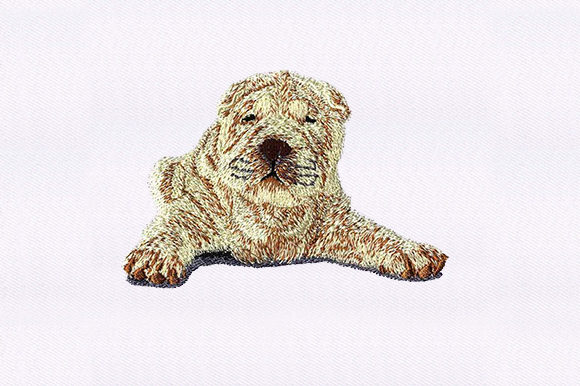
The Shar-Pei machine embroidery design doesn’t shout. It leans into the breed’s gentle gravity—the deep folds, soft eyes, and compact silhouette feel intentional, not cartoonish. There’s no forced cuteness or exaggerated grin; instead, you get subtle contouring in the fill stitch areas and thoughtful satin stitch definition around the muzzle and ears. That restraint makes it ideal for handmade products where authenticity matters: nursery decor, minimalist apparel, or boutique-branded tea towels. It reads as *designed*, not downloaded.
Where Shar-Pei Shines (and Why Your Customers Will Notice)
I used Shar-Pei on three very different items—and each time, the finished product felt cohesive, not generic:
- Tote bag: Centered above a small embroidered monogram, the design held crisp detail without overwhelming the fabric’s natural drape. The stitch density felt balanced—not so dense it stiffened the canvas, not so light it faded against busy prints.
- Baby onesie: On 100% cotton interlock, the design softened beautifully after washing. No puckering, no thread breakage—even across the shoulder seam. Parents appreciate that kind of durability in a personalized gift.
- Cotton cap: Stitched on the front panel with medium-weight cutaway stabilizer, the folds around the eyes stayed legible. No distortion, even with the curve. That’s rare for a dog face at this scale.
This is where Shar-Pei quietly builds trust: it looks like something a skilled craftsperson chose—not just tossed onto a product. For Etsy sellers and small shop owners, that translates directly to perceived value, repeat buyers, and fewer “Does this look exactly like the photo?” messages.
Where to Proceed with Care
No embroidery file is universal—and Shar-Pei has clear sweet spots and soft edges. Use caution on:
- Thin or stretchy fabrics (like jersey or rayon challis): The fold details rely on clean, stable tension. Without proper stabilizer—especially tear-away + light cutaway—you’ll see shadowing or distortion.
- Dark fabrics: The inner ear shading and muzzle contouring use fine running stitch lines. Test thread colors carefully—navy or charcoal thread can disappear on black fabric unless you increase contrast intentionally.
- Curved surfaces beyond caps (e.g., curved pillow covers or contoured aprons): The lower jaw and cheek area are more densely stitched. On extreme curves, those zones may lift slightly—consider reducing density by 5–8% if your machine allows.
- Small hoop sizes under 4x4 inches: While scalable, shrinking Shar-Pei too far blurs the signature wrinkles. Keep it above 3.2” wide for clarity in finished products.
Design Judgment for Commercial Use
If you’re an embroidery business owner or digital product seller, Shar-Pei works well as both a finished asset and a design element. As a standalone embroidered patch, it stitches cleanly and presses flat—ideal for sew-on branding on aprons or backpacks. As part of a larger holiday embroidery project (think: “Paws & Presents” kitchen towel set), it pairs naturally with simple script fonts or paw-print borders—no visual competition.
But here’s what matters most for commercial embroidery: Shar-Pei doesn’t demand special handling to look professional. You won’t need custom underlay, excessive trims, or digitizing tweaks for standard cotton, denim, or twill. That saves time, thread, and troubleshooting—critical when you’re batching 30+ sweatshirt orders for a school fundraiser or holiday market.
Practical Designer Notes Before You Stitch
Before adding Shar-Pei to your next client order or Etsy listing, take these five minutes:
- Run a test on scrap fabric *with your exact stabilizer and thread*. See how the wrinkles read on light vs. dark backgrounds.
- Check stitch density in the jowls and forehead—some versions of dog face designs overfill there, causing stiffness. If yours feels heavy, reduce density slightly.
- Confirm hoop size compatibility. Even if the file scales down, verify that your machine handles the smallest version without timing out or skipping.
- Review licensing. Since this is a machine embroidery design, clarify whether it permits resale of finished products—or if it’s limited to personal use only.
- Build a printable mockup using both light and dark fabric swatches. This reveals how customers will actually see it—not just how it looks on screen.
Final Thought: Shar-Pei Is a Quiet Workhorse
This isn’t a flashy, trend-chasing embroidery file. Shar-Pei is the kind of design that earns repeat use because it *works*: on baby embroidery, custom apparel, holiday embroidery, and small shop merchandise alike. It carries the dignity of the breed without stiffness—and gives your handmade product the grounded, intentional feel that buyers increasingly seek.
For craft business owners stitching for joy or income, that reliability is gold. And for designers reviewing their next digital embroidery file? Shar-Pei reminds us that sometimes, the best design decisions aren’t about adding more—but trusting the shape, honoring the subject, and letting the stitch do the rest.