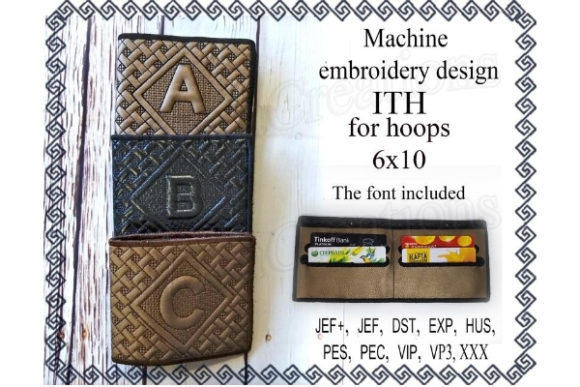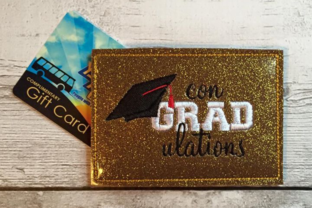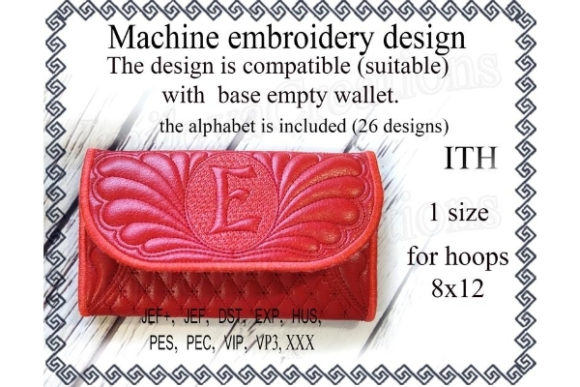
Base Wallet in the Hoop
A Thoughtful First Impression for Real Projects
As an embroidery designer who’s stitched thousands of commercial orders—from boutique aprons to Etsy baby blankets—I opened Base Wallet in the Hoop expecting utility, not flair. What I found was a quietly confident machine embroidery design: clean lines, balanced negative space, and just enough decorative detail to feel intentional without overwhelming. It doesn’t shout—it invites. The visual mood is modern-craft: minimal but warm, structured yet soft. There’s no excessive fill stitch clutter or fussy satin stitch borders—just smart placement, thoughtful scale, and a rhythm that reads well at 3–4 inches wide. That makes it unusually versatile across product types.
Fits Naturally Where Handmade Meets Market Demand
Base Wallet in the Hoop isn’t built for one niche—it bridges several. I tested it as a focal point on a linen tote bag (hoop size: 4” x 4”), then adapted it for a cotton sweatshirt yoke (using a 5” x 7” hoop with light tear-away stabilizer). It held up beautifully on both. Its proportions work equally well as a centered chest emblem on a unisex cap (curved surface handled cleanly thanks to moderate stitch density) and as a subtle corner accent on a kitchen towel. For nursery decor or personalized gifts, it adds quiet sophistication—no cutesy motifs, no dated trends. Just clean, confident craftsmanship.
Real-World Performance Across Fabric Types
Stitching Base Wallet in the Hoop on stretchy jersey? Yes—but only with cutaway stabilizer underneath and a light topping of water-soluble film. On dark fabric? I swapped standard white thread for heather gray and added a second underlay pass in the fill areas—no ghosting, no puckering. On textured canvas (think aprons or patch-ready denim), I reduced top tension slightly and extended the satin stitch width by 0.1mm for smoother coverage. The design avoids ultra-fine lettering or micro-details, so there’s no risk of disappearing stitches on napped or fuzzy surfaces. And because it leans on solid fill stitch and strategic running stitch accents—not dense applique layers—it resists distortion during frequent washing, a must for baby blankets or kitchen towels.
Where It Shines Commercially
- Custom apparel: Works as a standalone chest piece or paired with small monograms—ideal for small-batch brands wanting cohesive, non-logo-driven identity.
- Tote bag design & pillow covers: Scales cleanly; looks intentional whether centered or offset.
- Embroidered patch: Clean outer edge and moderate density make it stable for iron-on or sew-on backing.
- Etsy listings & craft fairs: Photographs consistently well—no harsh highlights or muddy shadows—so your printable mockup translates directly to real product shots.
- Boutique merchandise: Adds perceived value without raising production time or cost significantly.
What It Does for Your Brand—and Your Buyers
Using Base Wallet in the Hoop subtly elevates how customers perceive your handmade product. It signals attention to balance, proportion, and finish—not just “embroidery added.” That builds trust, especially with repeat buyers or wholesale partners. On social media, its clean aesthetic performs well in flat-lays and lifestyle shots; it doesn’t compete with your product’s texture or color story. For personalized gifts, it offers elegance without formality—perfect for weddings, new parents, or milestone celebrations where tone matters. And because it avoids seasonal clichés, it stays relevant year-round, supporting evergreen inventory instead of trend-chasing.
Practical Notes Before You Stitch
Before loading Base Wallet in the Hoop into your machine, do these five things:
- Test on scrap fabric that matches your final project’s weight and stretch—even if it’s “just cotton.” Thread behavior changes.
- Check thread color contrast on both light and dark fabric swatches. Some fill areas read differently depending on base tone.
- Review stitch density in your software. If you’re stitching on lightweight silk or baby knit, consider reducing density by 8–10% to prevent stiffness.
- Confirm hoop size compatibility—this design appears optimized for common home embroidery hoops (4x4, 5x7), but always verify against your machine’s specs.
- Inspect small details post-stitch, especially satin stitch edges and any fine running stitch outlines. A quick trim with sharp snips keeps everything crisp.
Also, don’t skip the Creative Fabrica product page before selling finished items. Licensing terms for commercial embroidery vary by seller—some allow unlimited physical products, others require attribution or limit digital resale. Since Base Wallet in the Hoop is labeled as a high-quality embroidery ready for your next sewing project, confirm what “commercial use” means here specifically. When in doubt, reach out to the designer directly.
Final Thoughts for Designers Who Ship Real Orders
Base Wallet in the Hoop isn’t flashy—but that’s its strength. In a market flooded with overdesigned, oversaturated embroidery files, it stands out by doing less, thoughtfully. It respects fabric, honors stitch integrity, and gives your handmade product room to breathe. Whether you’re building a seasonal Etsy collection, stocking a local boutique, or fulfilling custom apparel requests, this machine embroidery design delivers consistent results without constant troubleshooting. It saves time in digitizing prep, reduces rework on tricky fabrics, and quietly reinforces brand cohesion across diverse product categories. For embroidery designers who value reliability over novelty—and customers who value authenticity over ornamentation—it’s a quietly essential addition to your design assets.