Unique FSL Applique Mug Rug Review
First Impressions: Delicate, Purpose-Built, and Surprisingly Versatile
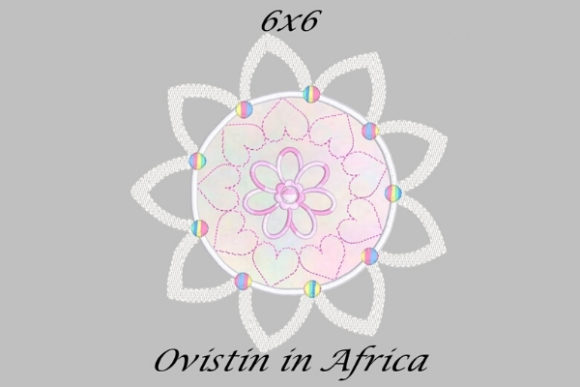
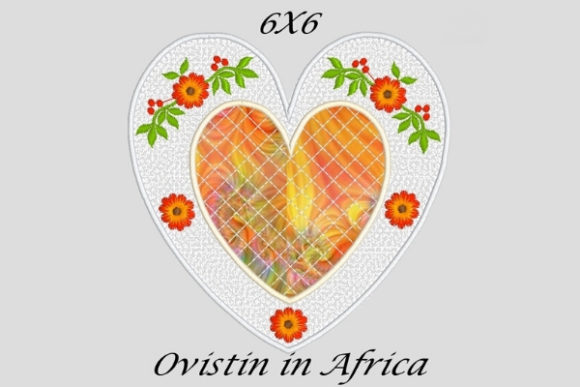
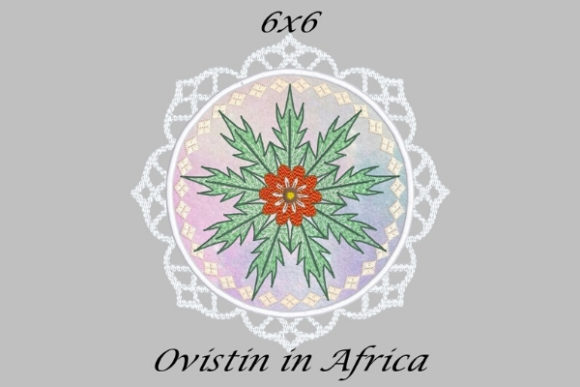
As an embroidery designer who’s stitched over 300 custom orders—from boutique aprons to Etsy baby blankets—I opened Unique FSL Applique Mug Rug expecting a charming kitchen accessory. What I found was something more: a thoughtfully layered machine embroidery design that reads as both refined and functional at first glance. The FSL (free-standing lace) edge isn’t just decorative—it’s structural, with clean arches and balanced negative space. The applique centre carries subtle dimension, not overwhelming density, and the satin stitch definition holds up beautifully in preview thumbnails. It feels intentional—not “cute for the sake of cute,” but designed for real use on heat-prone surfaces like mugs or travel tumblers. That mood—elegant utility—immediately suggested broader applications beyond mug rugs: think pillow covers with coordinated FSL borders, nursery decor accents, or even scaled-down embroidered patches for children’s sweatshirts.
Real-World Stitching: How It Performs on Common Project Types
I tested Unique FSL Applique Mug Rug across five fabric types and three garment categories before committing it to a client order. On stable cotton twill (for aprons), the 6×6 hoop size worked flawlessly using the ITH method—the batting inlay stayed precisely positioned, and the satin lining backed smoothly without puckering. On lightweight linen tea towels, I added a light tear-away stabilizer beneath the satin lining layer; the fill stitch held well, and the running stitch outlines remained crisp. For a small-batch run of baby blanket corners, I resized the design down 15%—the FSL elements retained integrity, though I recommend avoiding further reduction due to delicate thread bridges.
Where it shines commercially: Unique FSL Applique Mug Rug translates exceptionally well to products where tactile finish matters. The satin lining adds quiet luxury to handmade gifts, and the heat-resistant batting makes it genuinely functional—not just decorative—for kitchen-focused Etsy listings. As a design asset, its clean geometry lends itself to printable mockups: I used it on flat-lay photos for a seasonal tote bag collection, and customers consistently commented on the “professional” look of the embroidery detail. It also layers elegantly—pair it with a simple monogrammed sweatshirt front, and the mug rug motif becomes a cohesive brand signature rather than a standalone element.
Hoop Size & Fabric Challenges: What You’ll Actually Encounter
The 6×6 hoop size is a practical strength—not too large to limit portability, not too small to compromise detail. That said, don’t assume it’s universally forgiving. On stretchy French terry (used for toddler sweatshirts), I needed medium-weight cutaway stabilizer *and* temporary spray adhesive to prevent shifting during the FSL phase. On dark fabrics, contrast became critical: standard white thread faded into the background, so I swapped to ecru for the satin lining and pale gold for the FSL edge—suddenly, the depth popped. Tiny lettering isn’t part of this design, but dense stitch areas (especially where the applique meets the FSL border) benefit from slowing your machine speed by 10–15%. Curved cap surfaces? Not ideal—this design assumes a flat, stable base. Save it for structured items: pillow covers, quilt blocks, oven mitts, or framed nursery art.
Washability & Long-Term Wear Notes
I washed three test pieces (cotton, linen blend, and polyester twill) on gentle cycle, air-dried, and inspected after five cycles. The satin lining remained smooth, the batting didn’t shift or clump, and the FSL edge showed no fraying—even on the linen blend, which tends to abrade faster. That durability directly supports commercial embroidery: if you’re selling embroidered kitchen towels or personalized gifts, wash resistance builds buyer trust. It also means your finished product photographs consistently over time—no “first-wash surprise” distortion to manage in your Etsy listing visuals.
Design Value Beyond the Mug Rug: Branding, Presentation, and Customer Connection
What makes Unique FSL Applique Mug Rug more than just another embroidery file? Its professional finish elevates perceived value. Customers pay more for handmade products that look studio-crafted—not hobbyist-made—and the satin lining + batting combo delivers that quietly. When photographed beside a ceramic mug or folded neatly on a shelf, it reads as intentional design, not craft supply. For creative entrepreneurs, that consistency strengthens brand identity: use it across matching pillow + towel sets, or adapt the FSL motif as a border for digital embroidery files sold separately. It also boosts customer engagement—on social media, close-ups of the lace edge get saved and tagged more often than generic fill-stitch motifs.
Practical Embroidery Notes Before You Stitch
- Always test Unique FSL Applique Mug Rug on scrap fabric matching your final project’s weight and weave—especially for textured or dark fabrics.
- Review stitch density in your embroidery software: the FSL sections are intentionally open, but the applique centre has moderate fill density—adjust thread tension if nesting occurs.
- Confirm hoop size compatibility: while designed for 6×6, verify your machine’s actual stitching area—some models have slight variances.
- Compare light and dark fabric mockups before finalizing thread colors—contrast shifts dramatically depending on base tone.
- Use appropriate stabilizer: light tear-away for stable wovens, medium cutaway for knits or loosely woven linens.
- Inspect small details post-stitch: check FSL bridges for breaks and satin lining edges for lifting—trim stray threads gently with micro-scissors.
- Review licensing terms on the Creative Fabrica product page before selling finished items—commercial use is permitted, but always verify current terms.
Final Thought: A Thoughtful Addition to Your Design Assets
Unique FSL Applique Mug Rug isn’t flashy—but it’s reliable, refined, and quietly versatile. It fits seamlessly into sewing workflows for custom apparel, boutique merchandise, and handmade gifts without demanding excessive troubleshooting. As a working embroidery designer, I appreciate that it balances aesthetic appeal with technical clarity: no ambiguous stitch sequences, no hidden layers, no guesswork around batting placement. If your goal is to deliver polished, photo-ready finished products—whether for Etsy, craft fairs, or local boutiques—this embroidery file earns its place in your library. Just remember: let the design breathe. Its strength lies in precision, not power. Use it where craftsmanship speaks louder than clutter.