Sweet Dreams Little One Embroidery Review
A First Look at the Design
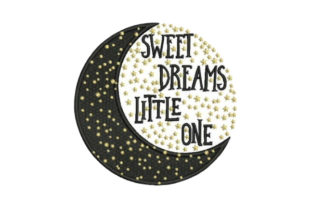
When I first opened the Sweet Dreams Little One machine embroidery design, I was immediately drawn to its soft and calming aesthetic. The imagery feels like a gentle lullaby—perfect for a nursery or any space that needs a touch of innocence and warmth. The layout is centered around a sleeping child, wrapped in a blanket with stars and clouds surrounding them. It's not overly detailed, but just enough to create a sense of comfort and familiarity.
The theme of this design screams "nursery," but it also has the potential to work well beyond that. The use of rounded edges and soft lines gives it a versatile feel that could translate into custom apparel, personalized gifts, or even boutique branding. However, I noticed that the visual personality leans more toward traditional and less modern, which might limit its appeal for certain audiences.
Real-Life Scenario: Creating a Custom Tote Bag
Let’s imagine using Sweet Dreams Little One on a custom embroidered tote bag. This would be a great project for an Etsy seller looking to offer handmade products with a personal touch. The design would sit nicely on a larger fabric surface, allowing the full composition to shine. But I have to consider how it would look when stitched onto different materials.
If I were to use this design on a cotton tote, the contrast between the thread colors and the fabric would be essential. A light-colored tote would allow the design to pop, while a darker fabric might require adjusting the thread colors for visibility. Also, stitch density plays a role here—too dense and the fabric might pucker, especially if no stabilizer is used.
I’d recommend testing the design on scrap fabric first. This would help ensure that the stitching looks clean and that the design doesn’t distort when placed on curved or stretchy surfaces. For tote bags, I’d go with a hoop size that accommodates the entire design without forcing it into a smaller space.
Where This Design Shines Best
Sweet Dreams Little One is ideal for projects that benefit from a soft, whimsical look. Think baby clothes, pillow covers, aprons, or wall art. It would make a lovely addition to a nursery-themed quilt or as an applique design on a onesie. Its simplicity allows it to blend seamlessly with other elements, making it a great choice for small shop products or commercial embroidery projects.
This design would also work well as part of a larger set of nursery-themed embroidery files. If paired with complementary designs like "Goodnight Moon" or "Sleep Tight," it could create a cohesive collection that appeals to parents and gift-givers alike.
For holiday embroidery or personalized gifts, the design can be adapted slightly by changing the background or adding seasonal accents. However, the core imagery should remain intact to maintain its identity and charm.
Design Limitations and Considerations
While Sweet Dreams Little One is charming, there are situations where it may not perform as well. For instance, using it on small hoop sizes could lead to distortion or loss of detail. The design features some delicate elements, such as the stars and the child’s face, which might not render clearly on tiny patches or caps.
Textured fabrics or stretchy materials could also pose challenges. Without proper stabilizer, the stitches might shift or lose their crispness. Additionally, if you plan to use this design on dark fabric, you’ll need to choose thread colors that provide good contrast and test them beforehand.
Another thing to note is the level of detail. While it’s not overly intricate, it still requires attention during the stitching process. Dense stitch areas, like the blanket and the stars, might cause the fabric to bunch if not handled carefully. I suggest reviewing the stitch density and ensuring that your machine settings are optimized for the fabric type you're using.
Practical Embroidery Designer Notes
Before committing to using Sweet Dreams Little One in your next project, take a few minutes to review the design thoroughly. Here are a few key steps:
- Test on scrap fabric: Always do a test run to see how the design looks in real life. This helps catch any issues before they become costly mistakes.
- Check thread color contrast: Especially if you're using it on dark fabric, make sure the thread colors stand out and enhance the design.
- Review stitch density: Adjust the stitch density based on the fabric thickness and type to avoid puckering or distortion.
- Confirm hoop size: Ensure that the hoop size you're using is appropriate for the design's dimensions.
- Inspect small details: Look closely at the design to ensure that all elements, like the stars and the child’s face, are clear and defined.
- Test in black and white mockups: This helps visualize how the design will appear on different fabric backgrounds.
- Use proper stabilizer: Especially important for stretchy or textured fabrics, a good stabilizer can make all the difference in the final product.
- Confirm licensing: Before selling finished items or digital products, always check the license terms to ensure you’re allowed to use the design commercially.
By following these tips, you can ensure that Sweet Dreams Little One becomes a valuable asset in your embroidery toolkit, whether you're creating handmade products, custom apparel, or digital design assets for your craft business.